This article was originally published in Japanese on March 4, 2022, and has been translated into English.
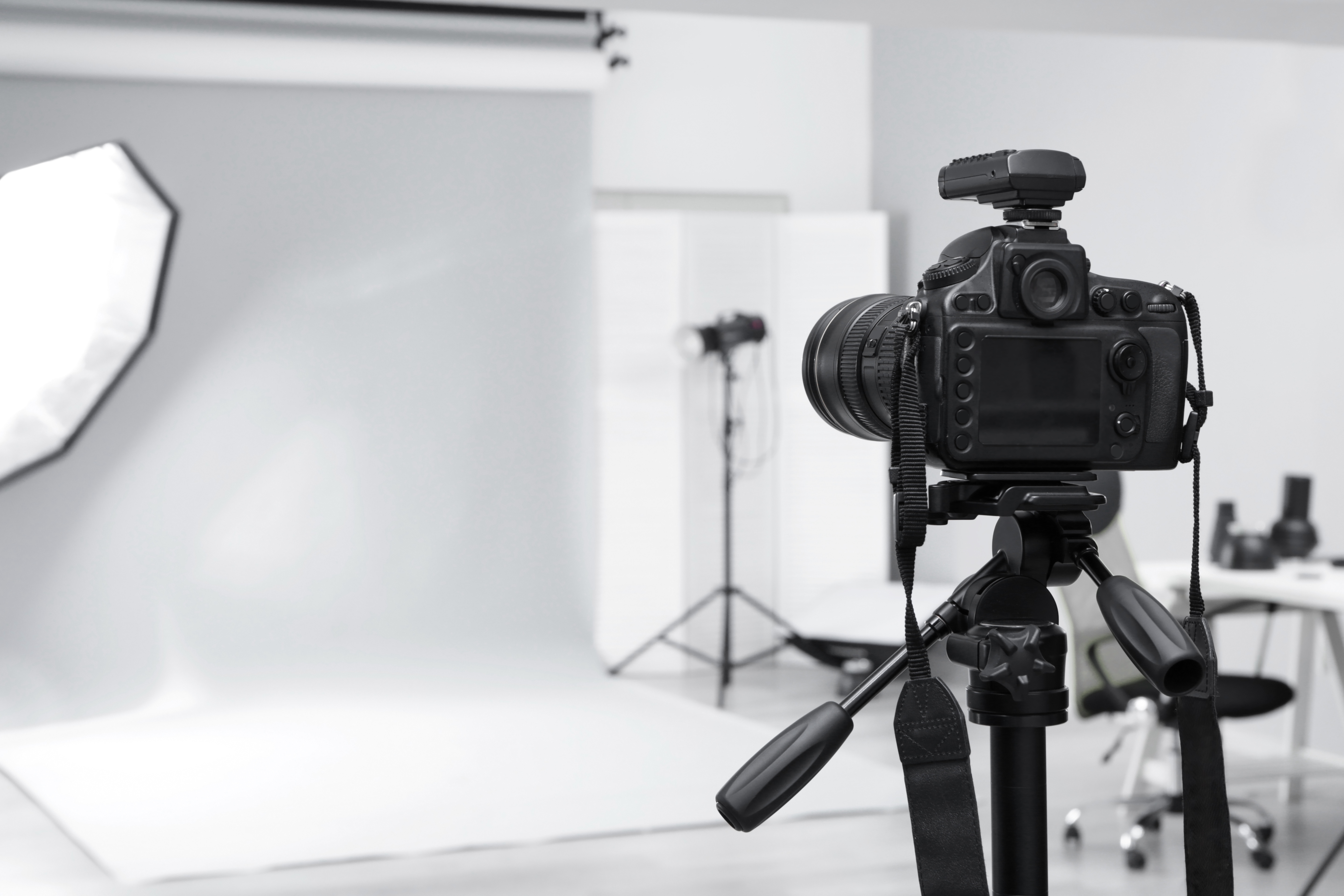
I decided to part with all my DSLR cameras. As a Nikon user, I’d already sold my D750, and now I’ve sold my D5200 as well. I sold them at Kitamura Camera. I figured it would be better to sell them while they still had value, so I made the move early.
The Future of DSLRs
There were several reasons for selling my DSLR cameras, one of which concerns the future of DSLRs. As mirrorless cameras become the norm, I began to question whether DSLRs are still the best choice.
Of course, some photos are easier to capture with a DSLR. But as technology advances rapidly, I think those situations may become increasingly rare. With manufacturers focusing more on mirrorless models, the DSLR lineup is shrinking, with Nikon even ceasing domestic production.
With these changes, I felt it was time to reset and start from scratch. Selling all my cameras lets me evaluate future purchases purely based on what’s best without being influenced by what I already own. This way, I can make a neutral decision, which is why I wanted to start fresh by letting go of my DSLRs.
The Future of Nikon
Nikon’s slower response to innovations like mirrorless technology, along with its declining performance, has dampened my enthusiasm. While Nikon is known for solid craftsmanship, I’m concerned about the sustainability of its camera division.
Although Nikon introduced mirrorless models after Sony and Canon, it still feels like they’re playing catch-up, and honestly, I don’t feel drawn to their offerings. If I were to buy a mirrorless camera now, I’d likely choose Sony. Being a sensor manufacturer gives Sony a clear advantage—they even supply sensors to other companies, including Nikon.
I don’t know what the future holds for Nikon, but when it comes to choosing a brand I can trust, Nikon is currently a hard choice for me.
The Strength of Video
This is the era of video. Photography remains valuable, but when it comes to visual content, videos attract more attention. Photography captures “moments in time,” and I still want to take plenty of photos, but the focus is undeniably shifting toward video.
When considering which camera is best for video, mirrorless models from Sony or Panasonic come to mind, with Nikon still lagging behind. DSLRs weren’t originally designed for video, and honestly, I think the iPhone does a fine job. Few consumer-grade cameras can shoot in 4K60p, yet the iPhone does so effortlessly. It’s a powerful device.
From the perspective of video capabilities, I don’t think a DSLR is the right choice.
The Opportunity for Spontaneous Shots
DSLRs are heavy, so taking them out means consciously planning for a “photo day.” And even then, it doesn’t guarantee the right conditions—cloudy skies, rain, or other factors can limit the opportunities. Sure, you can still work with rainy or cloudy scenes (Seiya Nakai even joked in his book that “cloudy skies are like a lifelong nemesis”), but clear skies are usually preferable.
When I look back at my photos over the past year, most of the ones I really like were taken on my iPhone. The fact that I always have it with me makes it ideal for spontaneous shots.
DSLRs are heavy, so I rarely carry them around, and that means fewer opportunities for photos. Mirrorless cameras offer some improvement, but it’s still the iPhone that truly shines here. It’s easy to pull out of my pocket and snap a quick shot, which is often better than fumbling with a bulky camera bag.
In Conclusion
I think camera users are split into those who love cameras and those who love photography. Camera enthusiasts enjoy the equipment itself, while photography lovers are more focused on the final result. I’ve come to realize I’m in the latter group—I care about the photos themselves, with the camera serving as a tool.
My first camera was the Sony DSC-F55K Cyber-shot, which was the first consumer camera to offer 2 megapixels. My next camera, influenced by a camera-loving friend, was the Canon EOS Kiss Digital. I switched to Nikon when I traveled, bringing my tripod but forgetting my camera, so I picked up a D5200 at a local Yodobashi Camera. At the time, I was disappointed in Canon due to a subcontracting scandal, which made it easier to switch brands.
Later, inspired by the anime Tamayura, I bought a Nikon D750, not the Rollei or D610. Since the D610 was discontinued on Yodobashi.com, I opted for the D750, my first full-frame camera.
I’ve bought a few cameras and lenses over the years, but the majority of my shots are still on my iPhone. It’s quick, capable of video, and easily shareable on social media. The iPhone can take beautiful photos, too, and I’ve come to realize that while DSLRs produce technically “prettier” images, beautiful and good images aren’t always the same.
This isn’t to say I’ll never buy another camera, but my next purchase will likely be a mirrorless model, perhaps from Sony, especially if it’s strong in video. For now, I want to experience life without any camera gear and find the right device based on my true desires.
As times change, so do preferences, so I’ll enjoy this neutral phase for a while.