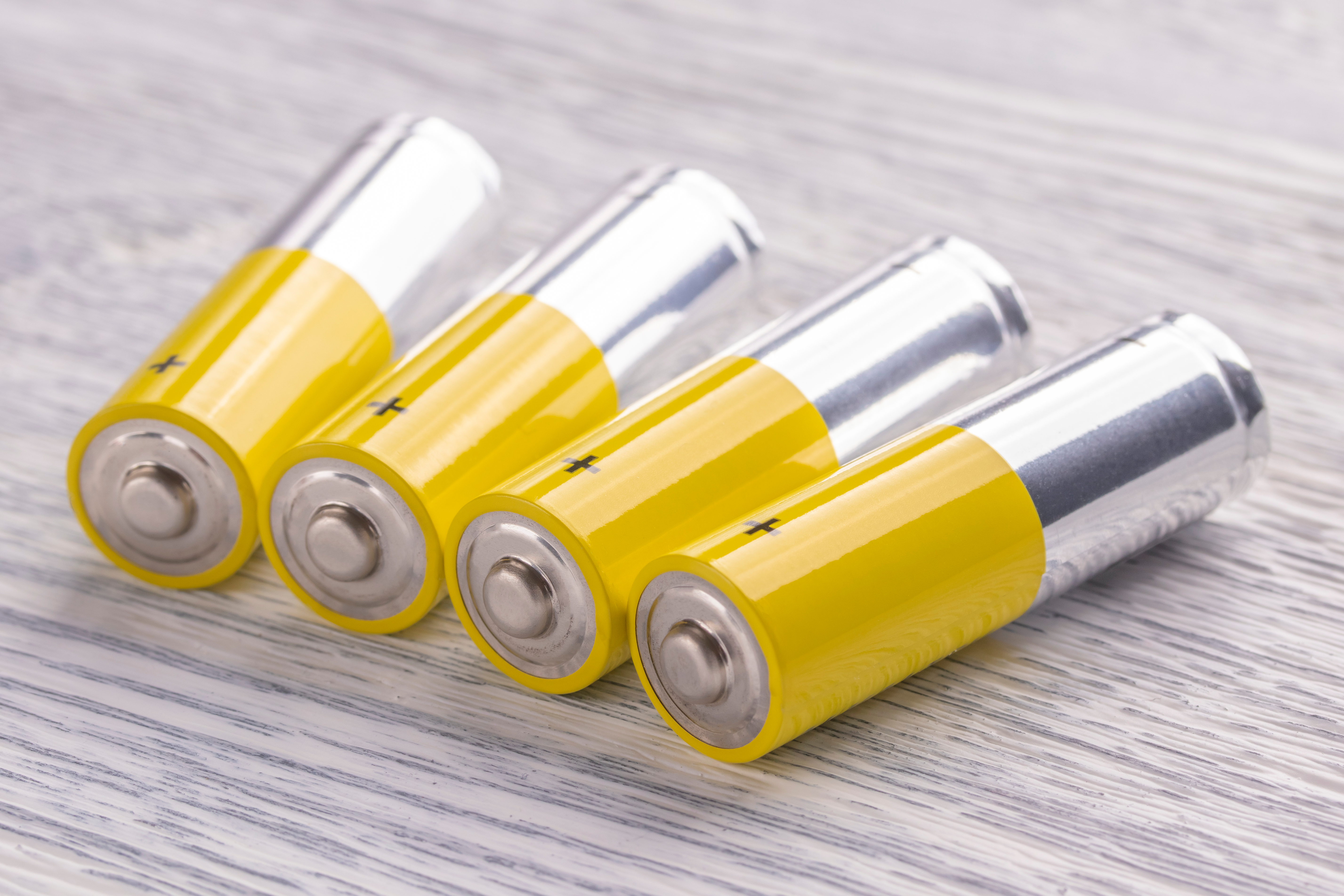
Once upon a time, there was a Japanese electronics company called Sanyo. In 2005, Sanyo introduced the Eneloop, a nickel-metal hydride rechargeable battery.
It was eco-friendly and reusable, so I started using it. Back then, I still used a Windows desktop, so I used Eneloop batteries for things like my wireless mouse and wall clock.
I had several batteries on hand and would swap them out as needed. Used batteries went into the charger to be ready for the next round. The Eneloop batteries were advertised as having low self-discharge, so this system worked well.
I mostly needed AA and AAA batteries, but with spacers, I could use AA batteries as substitutes for C and D sizes.
Not having to constantly buy batteries, being able to reuse them, and reducing battery waste felt like a good thing. In my area, battery waste collection is only once a week, so Eneloops saved me the hassle of frequent disposals.
But over time, I began to see the advantages of disposable batteries, gradually replacing devices with rechargeables until I completely switched back to disposables.
Rechargeable Batteries Are Harder to Dispose Of
Disposable batteries go out with non-burnable trash, so there’s an option to dispose of them once a week. However, rechargeable batteries don’t have the same convenience since municipalities don’t collect them directly.
Of course, rechargeable batteries can be used for a long time, but eventually, they wear out. When they do, you have to replace them, but disposal options are limited. Municipalities advise residents to take used rechargeable batteries to electronics stores for recycling.
While some stores claim to offer drop-off boxes for battery disposal, they’re becoming rare. In some stores, you can ask a staff member to take the batteries, but this is far from convenient.
If disposal is this difficult, disposable batteries start to look more appealing. Not being able to get rid of a dead rechargeable battery means you must store it somewhere in the house until you find a chance to throw it out. Given this hassle, I decided that disposable batteries made more sense for my needs.
Disposable Batteries Are Better for Emergencies
In 2019, Typhoon No. 15 toppled a power line tower in Kimitsu City, causing widespread blackouts in Chiba Prefecture. This incident really drove home the value of electricity and made me think about disaster preparedness.
In emergencies, disposable batteries have distinct advantages. For instance, flashlights tend to be dimmer with rechargeable batteries. Disposable batteries typically have a voltage of 1.5V, while most rechargeable batteries are only 1.2V. This difference can affect the brightness of flashlights, and some devices won’t work at all with lower-voltage batteries.
Rechargeable batteries also have a higher rate of self-discharge. Even though Eneloops are designed to hold a charge longer, they still drain faster than disposable batteries, which could leave you powerless in an emergency. For peace of mind, I feel more secure with disposable batteries.
In Conclusion
Perhaps technological advancements will one day bring rechargeable batteries that outshine disposables, transforming how we power our devices. With the rise of lithium-ion batteries in gadgets like smartphones, managing disposal is becoming a bigger issue. It would be great to see a future where not only manufacturing and usage but also disposal are factored into the lifecycle of products.